

How we brew
Water, vessel, leaf, time. Four things decide the cup.
Gongfu cha 工夫茶 means tea made with skill and time. It began in Chaozhou and southern Fujian. A small vessel, a gaiwan 盖碗 (a lidded cup) or a little teapot, holds a lot of leaf for very little water. Each steep lasts only seconds. All of it is poured into small cups, then the leaf is steeped again. One spoonful of leaf gives six to ten small cups, and each tastes a little different.
The mug method is the everyday way, and the easiest place to start. Put a little leaf in a mug or an infuser basket. Pour hot water over it and wait a few minutes. Then lift the leaf out, so the cup stays at its best. The same leaf gives a second cup, steeped a minute longer.
Starting points
Gongfu per 100 ml, mug per 8 oz. Starting points. Taste decides the rest.
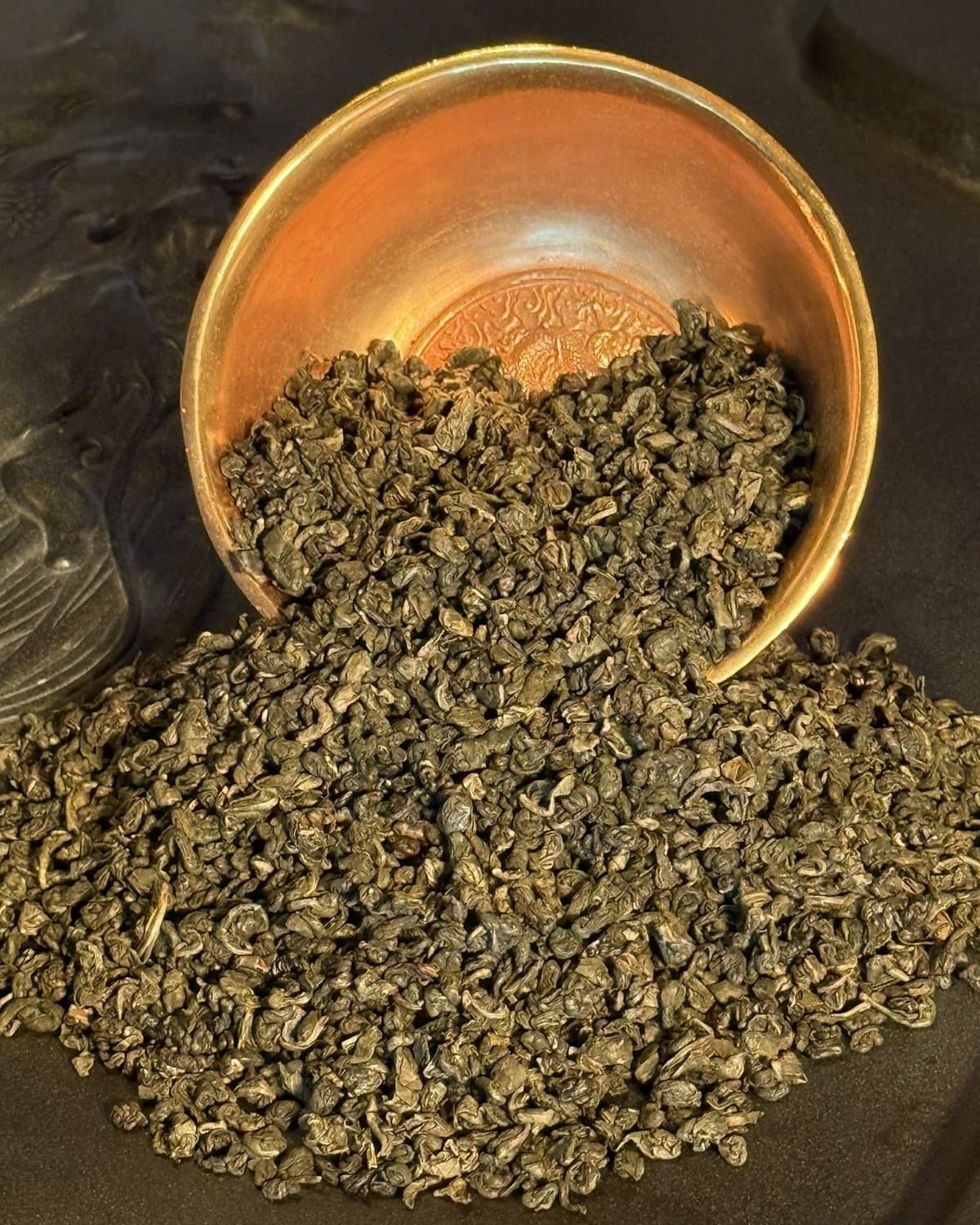
Green
lücha 绿茶. The leaf is heated soon after picking, so it stays green.
- Water
- 175°F / 80°C
- Leaf
- 3–4 g
- Leaf
- 2 g
- Time
- 2 min
Start with the first steep. The first water is for drinking.
Start with the first steep. The first water is for drinking.
Steeps, in seconds
- 30
- 40
- 60
- 90
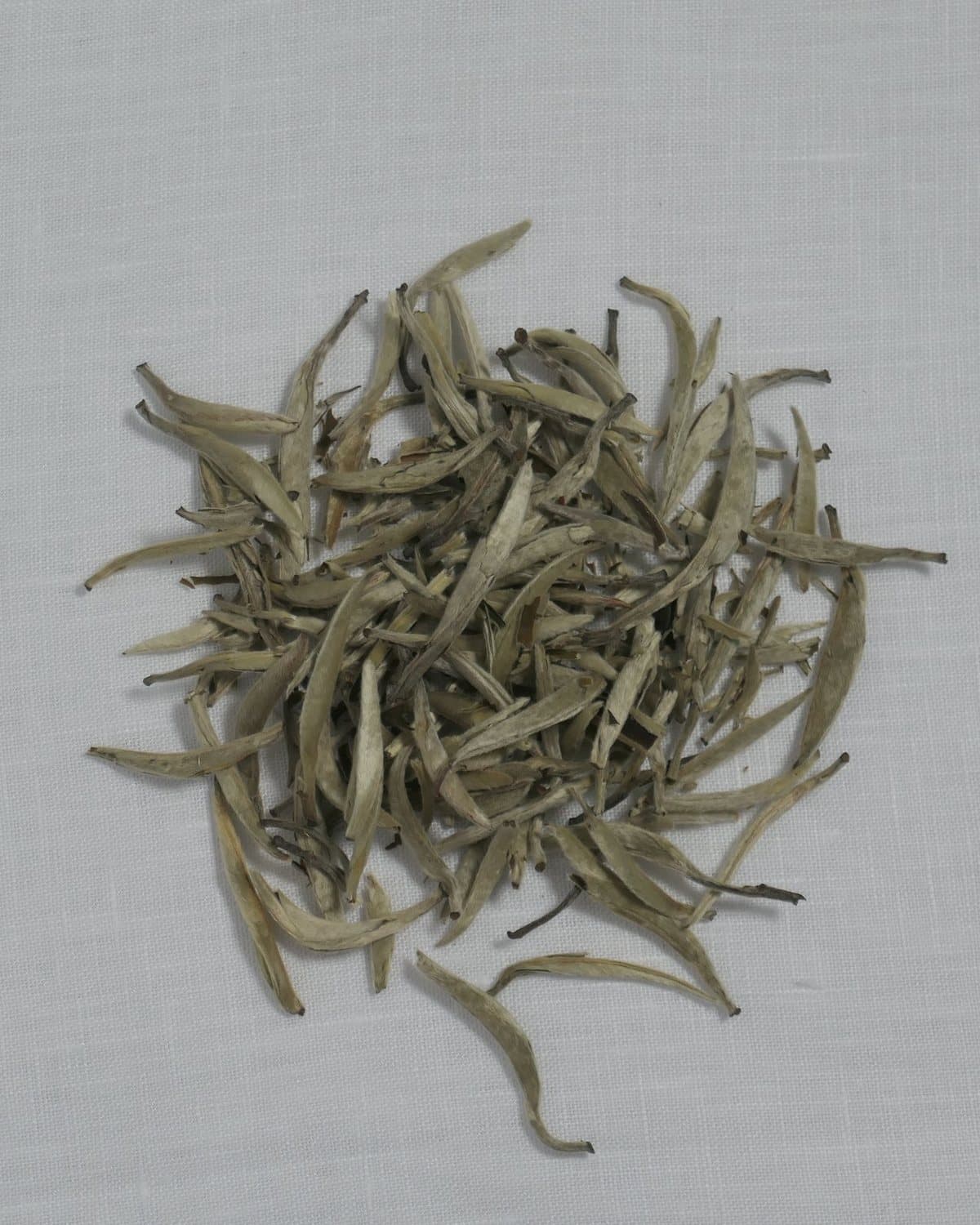
White
baicha 白茶. The leaf is only withered and dried, a Fujian way of making tea.
- Water
- 167°F / 75°C
- Leaf
- 4–5 g
- Leaf
- 3 g
- Time
- 3 min
Start with the first steep. The first water is for drinking.
Start with the first steep. The first water is for drinking.
Steeps, in seconds
- 30
- 45
- 60
- 90
- 120
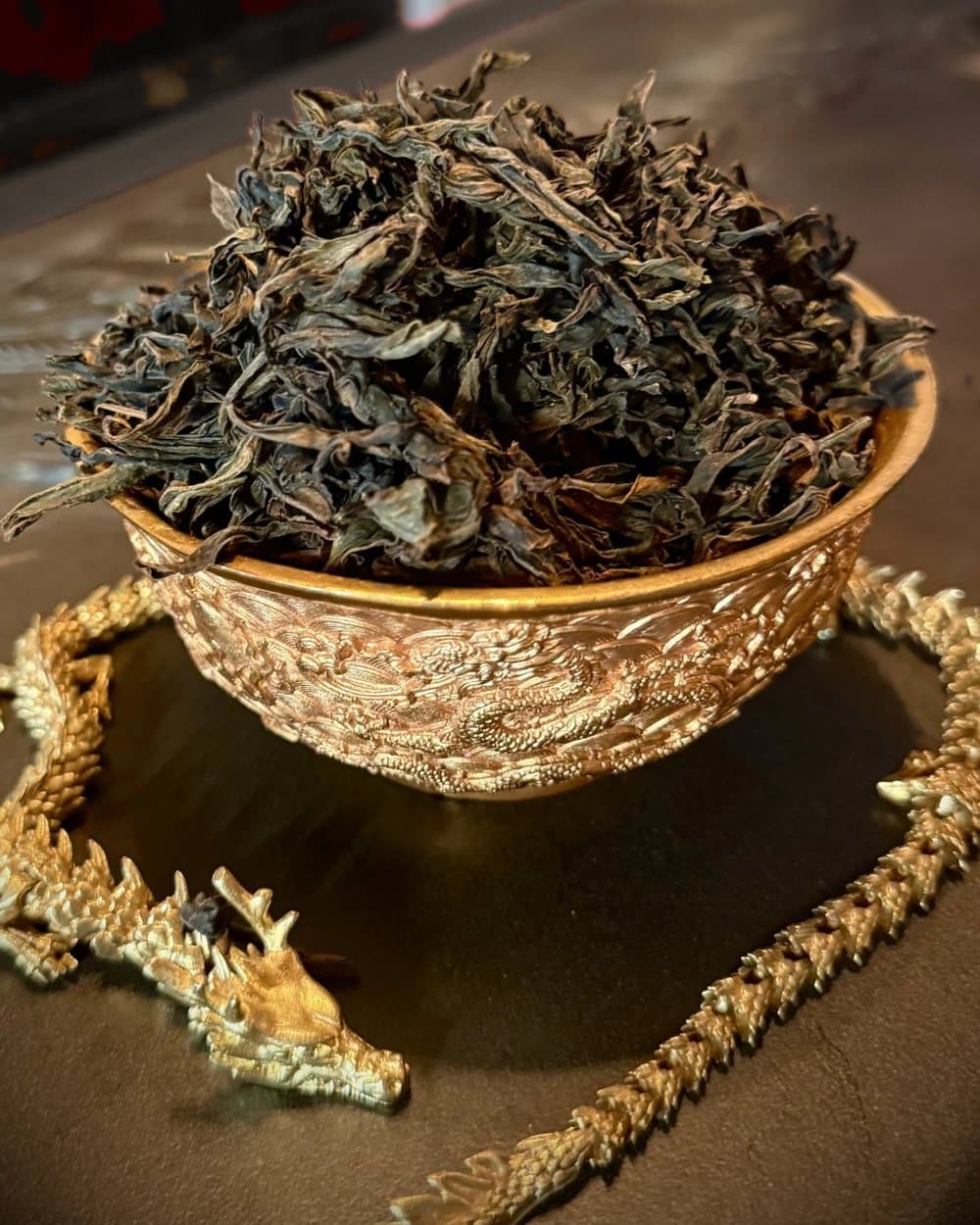
Oolong
wulong 乌龙. The leaf is partly oxidised, which puts it between green tea and red tea.
- Water
- 195–212°F / 90–100°C
- Leaf
- 5–6 g
- Rinse with hot water
- 5 s
- Leaf
- 3 g
- Time
- 3 min
Rinse with hot water for 5 seconds, then tip the water off. Aged oolong takes 10.
In a mug, start with the first steep.
Steeps, in seconds
- 20
- 20
- 30
- 40
- 60
- 90
Later steep times vary by oolong. Each tea’s page has its own steeping times.
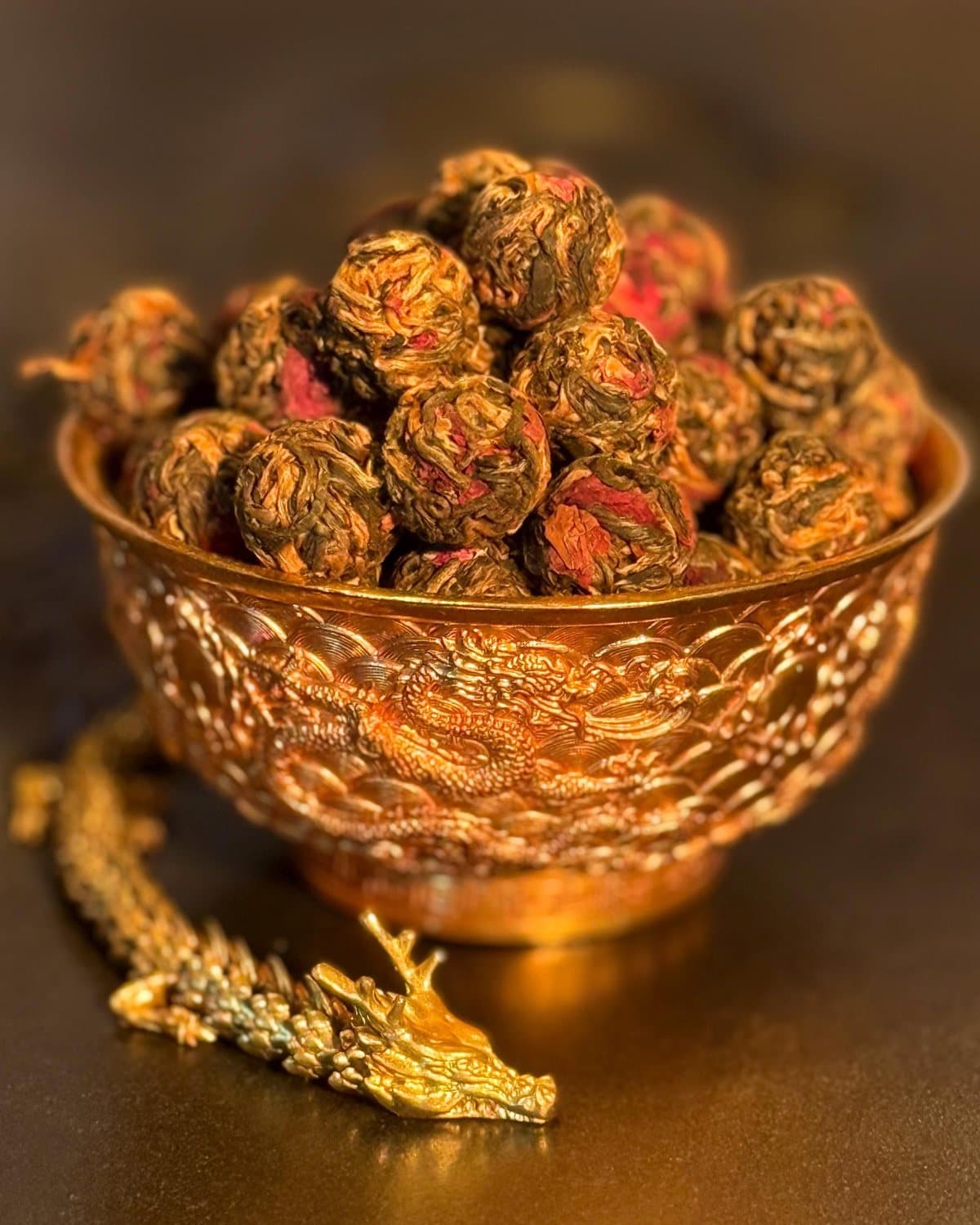
Red
hongcha 红茶, red tea. In English trade it is called black tea. The leaf is fully oxidised.
- Water
- 195°F / 90°C
- Leaf
- 4–5 g
- Leaf
- 2–3 g
- Time
- 3 min
Start with the first steep. The first water is for drinking.
Start with the first steep. The first water is for drinking.
Steeps, in seconds
- 15
- 20
- 30
- 45
- 60
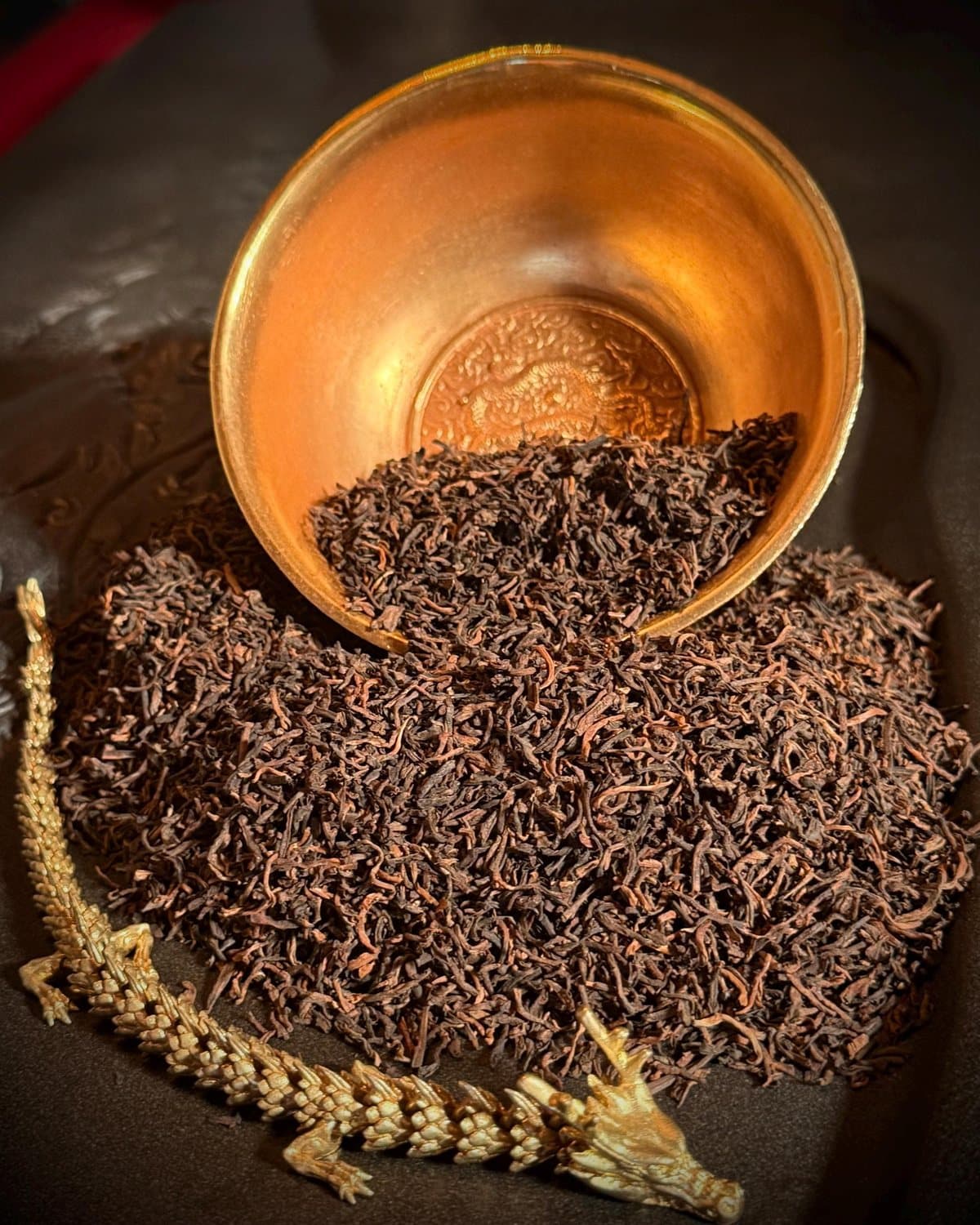
Pu-erh
pu-erh 普洱. It comes from Yunnan and is often pressed into cakes. It changes as it ages.
- Water
- 212°F / 100°C
- Leaf
- 5–6 g
- Rinse with hot water
- 10 s
- Leaf
- 3 g
- Rinse with hot water
- 10 s
- Time
- 3 min, after the rinse
Rinse with hot water for 10 seconds, then tip the water off. The first water only wakes the leaf. A tightly pressed tuocha takes two rinses.
Rinse with hot water for 10 seconds, then tip the water off. The first water only wakes the leaf.
Steeps, in seconds
- 10
- 10
- 15
- 20
- 30
- 45
- 60
Gongfu, in a gaiwan or small potSimply, in a mug or pot
- Step 1.
Heat fresh filtered or spring water to the temperature the tea desires. Warm the gaiwan and cups, then add the leaf.
- Step 2.
Rinse oolong with hot water for 5 seconds and pu-erh for 10. The other teas start with the first steep.
- Step 3.
After each steep, pour all the tea out of the pot so the leaves rest dry. Steep each round for the noted time.
- Step 1.
Heat fresh filtered or spring water to the temperature the tea desires. Put the leaf into an 8 oz mug.
- Step 2.
Rinse pu-erh with hot water for 10 seconds first. Then pour, and take a moment to allow for the leaves to steep as noted.
- Step 3.
Lift the leaf out. It gives a second cup.
- The first bowl moistens lips and throat.
- The second breaks my loneliness.
- The third searches my dry insides and finds only five thousand scrolls of writing.
- The fourth brings a light sweat. Every wrong of my life drains out through the pores.
- The fifth clears flesh and bone.
- The sixth reaches the immortals of legend.
- The seventh I cannot drink. I feel only a cool wind rising, gently, under both arms.
Lu Tong 卢仝 · Tang dynasty · our translation
From a longer poem, “Written in haste to thank Censor Meng for sending new tea” (走笔谢孟谏议寄新茶). These seven lines are often called the “Song of Seven Bowls.”